

Heart attacks are one of the leading causes of medical emergencies worldwide. What makes them especially dangerous is that the warning signs are often misunderstood, ignored, or mistaken for common health issues like acidity or fatigue. Early recognition and immediate medical attention can save lives and significantly improve recovery outcomes.
At Shree Sai Hospital, our experienced cardiology team regularly sees patients who delayed care simply because they did not recognize the seriousness of their symptoms. This guide explains the heart attack symptoms you should never ignore and when to consult a cardiologist without delay.
What Happens During a Heart Attack?
A heart attack, medically known as a myocardial infarction, occurs when blood flow to a part of the heart muscle is blocked. This blockage is usually caused by plaque buildup in the coronary arteries. When oxygen supply is cut off, the heart muscle begins to suffer damage within minutes.
Timely heart disease treatment can prevent severe complications such as heart failure, rhythm disorders, or sudden cardiac arrest. Recognizing symptoms early is the first and most important step.
Common Heart Attack Symptoms You Must Take Seriously
Heart attack symptoms can vary from person to person. Some are sudden and intense, while others are subtle and develop gradually.
– Chest Pain or Discomfort
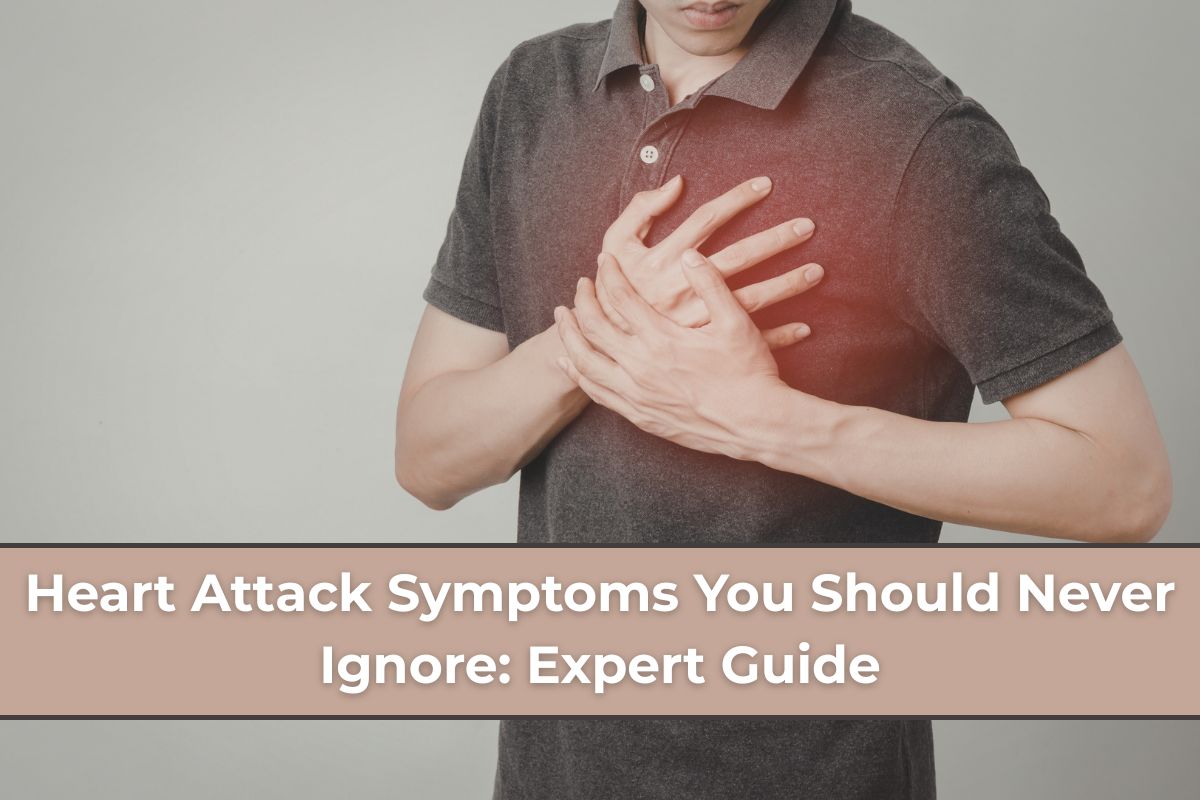
This is the most common symptom. It often feels like pressure, tightness, heaviness, or burning in the center or left side of the chest. The pain may last for several minutes or come and go. Many patients describe it as an uncomfortable squeezing sensation rather than sharp pain.
Chest discomfort should never be ignored, especially if it occurs during physical activity or emotional stress.
– Pain Radiating to Other Parts of the Body
Heart attack pain can spread beyond the chest. Common areas include the left arm, both arms, shoulders, neck, jaw, and upper back. Sometimes, arm or jaw pain may appear without chest pain, particularly in older adults.
If you experience unexplained pain in these areas, consulting a heart specialist is strongly advised.
– Shortness of Breath
Difficulty breathing can occur with or without chest pain. You may feel breathless while resting or doing minimal activity. This symptom often indicates that the heart is struggling to pump blood effectively.
Shortness of breath is a critical sign that requires immediate evaluation at a cardiology hospital.
– Excessive Sweating
Cold sweats or sudden, unexplained sweating can be an early sign of a heart attack. The sweat may feel clammy and is often accompanied by discomfort or anxiety.
This symptom is frequently overlooked, especially in warm weather, but should never be ignored.
– Nausea, Vomiting, or Indigestion-Like Pain
Some heart attacks present with symptoms similar to acidity or stomach upset. Nausea, vomiting, bloating, or burning pain in the upper abdomen are more common in women and elderly patients.
If these symptoms occur along with weakness, sweating, or chest discomfort, seek immediate medical care.
– Dizziness or Lightheadedness
Feeling faint, dizzy, or suddenly weak may signal a drop in blood pressure due to reduced heart function. In severe cases, it may lead to loss of consciousness.
Prompt evaluation by a cardiologist can help identify the cause and prevent complications.
Heart Attack Symptoms in Women
Women often experience different symptoms compared to men. These may include unusual fatigue, sleep disturbances, anxiety, shortness of breath, and pain in the neck or upper back. Because these signs are subtle, women may delay seeking care.
Awareness of these differences is crucial for timely heart disease treatment.
When Should You See a Cardiologist Immediately
You should seek emergency care if you experience any of the following:
- Chest pain lasting more than a few minutes
- Chest discomfort with sweating or breathlessness
- Pain spreading to the arms, jaw, or back
- Sudden dizziness or fainting
- Unexplained fatigue with nausea or shortness of breath
Delaying treatment can cause irreversible damage to the heart muscle. Consulting a cardiologist at the right time can make a life-saving difference.
Why Early Diagnosis Matters?
Early diagnosis allows doctors to restore blood flow quickly using medications, angioplasty, or other advanced cardiac procedures. At Shree Sai Hospital, our cardiology team uses modern diagnostic tools to assess heart health and plan personalized treatment.
Choosing a trusted cardiologist or a reputed cardiology hospital ensures accurate diagnosis, expert care, and better recovery outcomes.
Reducing Your Risk of Heart Attack
While not all heart attacks can be prevented, you can lower your risk by:
- Managing blood pressure, diabetes, and cholesterol
- Quitting smoking and limiting alcohol intake
- Eating a balanced, heart-healthy diet
- Exercising regularly under medical guidance
- Undergoing regular heart checkups, especially if you have a family history
Routine consultations with a cardiologist help detect early warning signs before they become life-threatening.
Final Thoughts
Heart attack symptoms should never be ignored or taken lightly. What may seem like minor discomfort could be a serious cardiac warning. Listening to your body and seeking timely medical care can save your life or that of a loved one.
If you or someone around you experiences any of the symptoms mentioned above, consult a qualified cardiologist immediately. Early action, expert care, and proper heart disease treatment are the keys to protecting your heart health.