

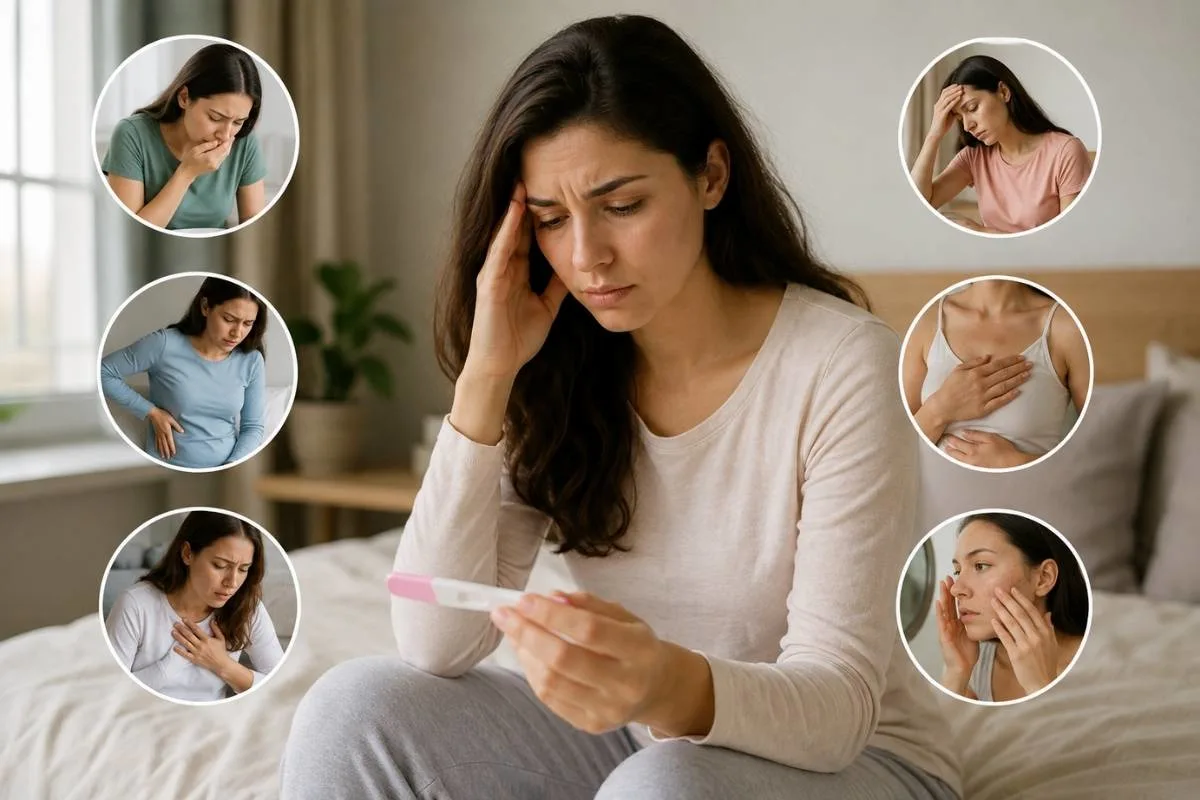
Finding out you’re pregnant is one of the most exciting moments in life. But along with the excitement often comes a lot of questions, especially about what’s “normal” and what’s not. Every pregnancy feels a little different, and mild nausea, tiredness, or light spotting can all be part of the natural process.
However, some symptoms are your body’s way of telling you something needs attention right away. Knowing the difference between normal pregnancy discomfort and a genuine warning sign can protect both your health and your baby’s. Below, we’ve listed 10 warning signs every expecting mother should know, along with what they might mean and when to reach out to your doctor.
What Counts as "Early Pregnancy"?
Early pregnancy usually refers to the first trimester, the first 12 weeks. This is a critical time when the baby’s organs are forming, and it’s also when most miscarriages and pregnancy complications tend to occur. That’s why doctors recommend closer monitoring during these early weeks.
When Do Symptoms Usually Start?
Every woman’s timeline is a little different, but here’s a general guide to what happens when:
- Weeks 4-6: Missed period, mild cramping, breast tenderness, fatigue. This is when most warning signs (like early bleeding) would also first appear
- Weeks 6-8: Morning sickness typically begins and can peak around week 9
- Weeks 9-12: Nausea often starts easing for many women; this is also when your doctor will usually schedule the first major prenatal scan
Warning signs can technically occur at any point, but bleeding, cramping, and signs of ectopic pregnancy are most common in these very early weeks, which is exactly why doctors ask you to come in as soon as you get a positive test, even before symptoms start.
10 Warning Signs to Watch For
1. Heavy Bleeding or Spotting with Clots
Light spotting can happen in early pregnancy and isn’t always a cause for panic. But heavy bleeding, especially with clots or a soaking pad, can be a sign of miscarriage or ectopic pregnancy. If you notice this, call your doctor immediately.
2. Severe Abdominal or Pelvic Pain
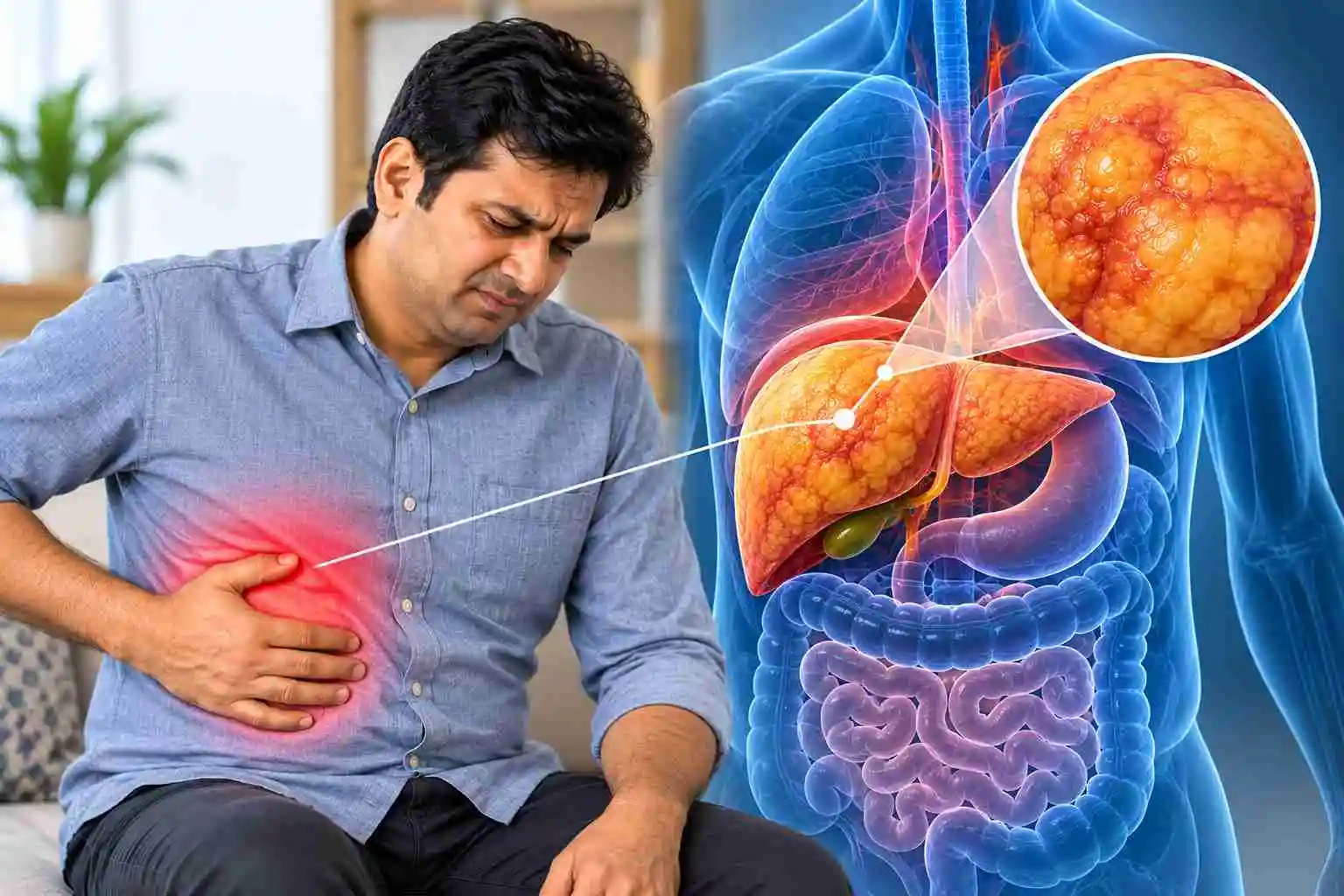
Mild cramping is common as your uterus stretches. But sharp, one-sided, or severe pain, especially if it doesn’t go away, could point to an ectopic pregnancy (where the fertilized egg implants outside the uterus). This is a medical emergency.
3. Severe Nausea or Vomiting That Won’t Stop
Morning sickness is normal for many women. But if you can’t keep any food or fluids down for more than 24 hours, you may have a condition called hyperemesis gravidarum, which can lead to dehydration and needs medical treatment.
4. High Fever
A fever of 100.4°F (38°C) or higher during pregnancy could signal an infection that needs prompt treatment, as untreated infections can affect the baby.
5. Sudden, Severe Headache with Vision Changes
A bad headache paired with blurred vision, seeing spots, or light sensitivity can be an early sign of preeclampsia, a pregnancy complication linked to high blood pressure. This needs same-day medical attention.
6. Burning or Painful Urination
This is often a urinary tract infection (UTI), which is common in pregnancy but should never be ignored. Left untreated, it can lead to kidney infections or early labor.
7. Sudden Swelling in Hands, Face, or Legs
Some swelling in the feet is normal, especially later in pregnancy. But sudden swelling in the face or hands, especially combined with a headache, can also point to preeclampsia.
8. Dizziness, Fainting, or a Racing Heartbeat
Feeling lightheaded once in a while can happen due to normal blood pressure changes. But frequent dizziness, fainting, or a fast heartbeat could mean low blood pressure, anemia, or blood loss internally, all worth checking out urgently.
9. Fluid Leaking from the Vagina
If you notice a sudden gush or steady trickle of clear fluid, it could mean your water has broken early, or there may be an issue with the amniotic sac. Contact your doctor right away, even if it’s very early in your pregnancy.
10. Sudden Loss of Pregnancy Symptoms
If your pregnancy symptoms (like nausea or breast tenderness) suddenly disappear in early pregnancy, it doesn’t always mean something is wrong, but combined with bleeding or pain, it can sometimes signal a miscarriage. It’s best to get checked to be sure.
When in Doubt, Reach Out
Pregnancy comes with a lot of physical changes, and it’s not always easy to tell what’s normal and what’s not. The safest approach is simple: if a symptom feels sudden, severe, or different from what you’ve experienced before, don’t wait it out; call your doctor.
At Shree Sai Hospital, our maternity and gynecology team is here to guide you through every stage of your pregnancy, from the first missed period to delivery day. If you’re experiencing any of the warning signs above, or simply want the reassurance of a check-up, book a consultation with our specialists today.
Frequently Asked Questions
Is spotting normal in early pregnancy?
Yes, light spotting can be normal, especially around the time of implantation. However, if it becomes heavy or is accompanied by pain, you should get checked.
How much cramping is considered normal?
Mild, period-like cramping is common as the uterus grows. Sharp or one-sided pain is not typical and needs medical evaluation.
Can stress cause pregnancy symptoms to feel worse?
Stress can amplify how symptoms feel, but it doesn’t cause the actual warning signs listed above. If you’re anxious about a symptom, it’s still worth getting it checked rather than assuming it’s “just stress.”
Do all pregnant women experience these warning signs?
No. Most pregnancies progress without any of these issues. These signs are meant to help you recognize the exceptions, not to worry you unnecessarily.