


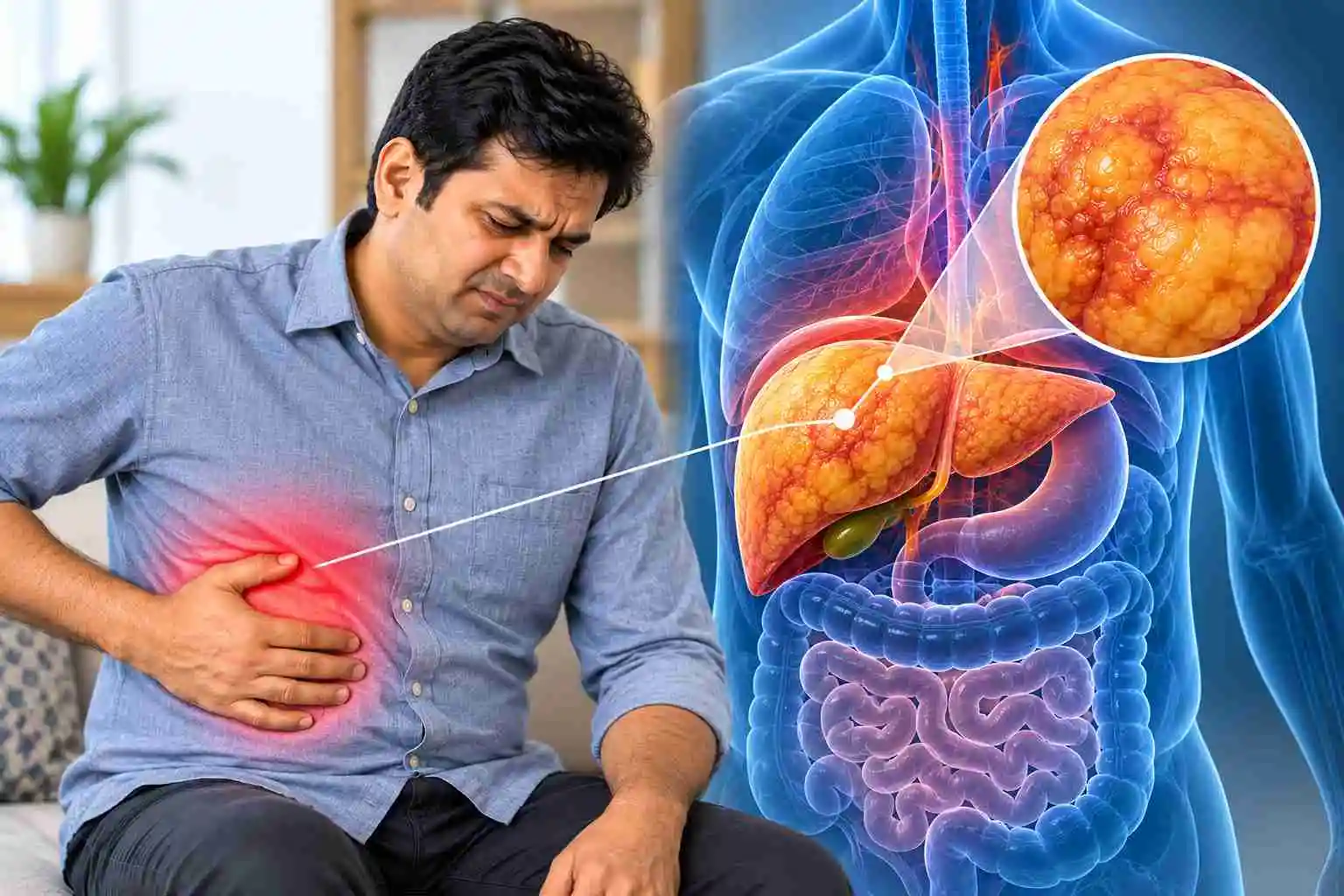
Fatty liver disease occurs when excess fat builds up in the liver. Although the condition may not cause noticeable symptoms in its early stages, it can sometimes progress to inflammation, scarring, and serious liver damage. It is commonly associated with obesity, type 2 diabetes, high cholesterol, and other metabolic health problems.
Understanding the warning signs, risk factors, and available treatment options can help you take steps to protect your liver health. Early diagnosis and appropriate lifestyle changes can reduce the risk of complications.
Understanding Fatty Liver Disease
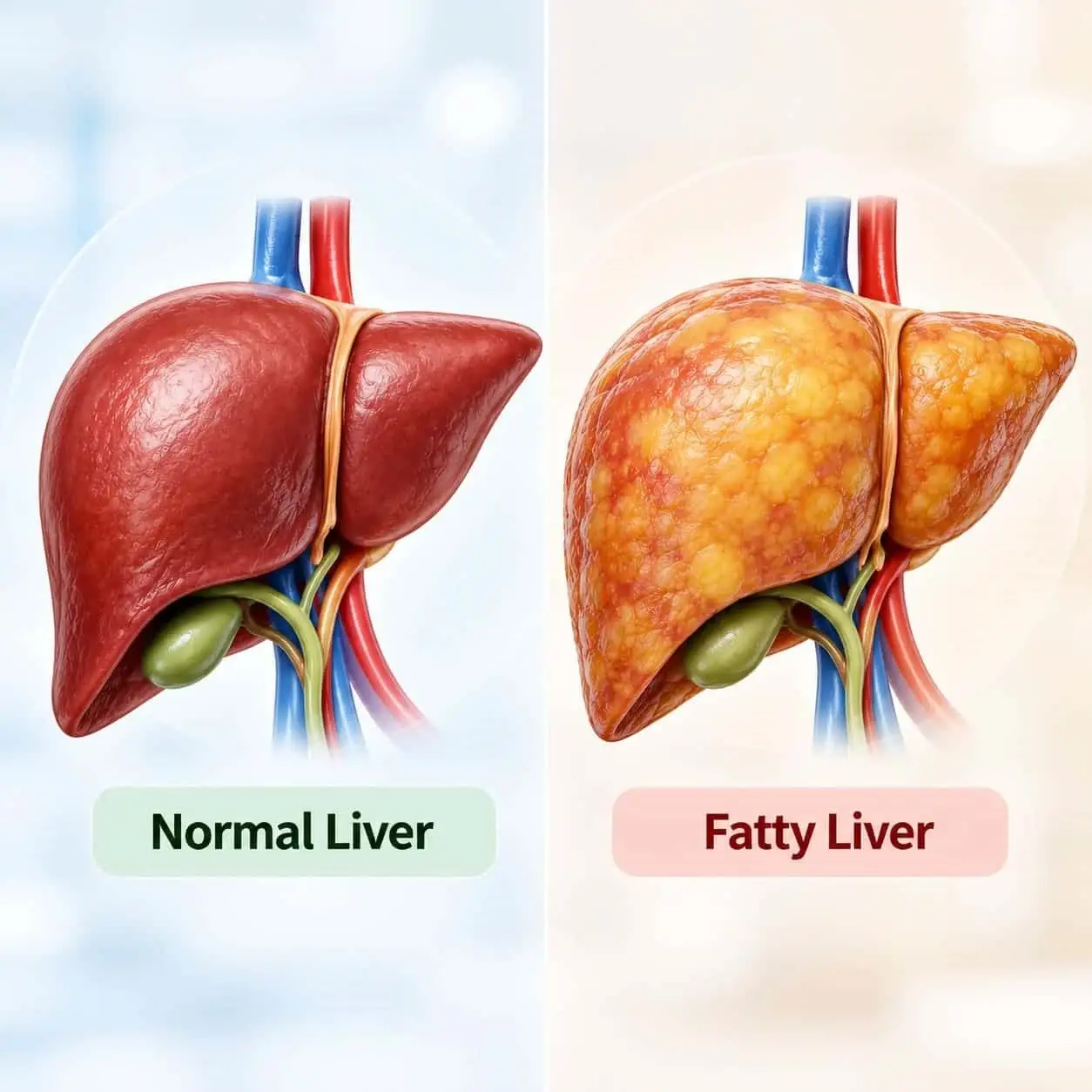
The liver helps process nutrients, regulate metabolism, and remove harmful substances from the blood. When too much fat accumulates in liver cells, it can affect the organ’s health.
Fatty liver disease has different causes. Metabolic dysfunction-associated steatotic liver disease (MASLD) is associated with metabolic risk factors such as excess abdominal fat, diabetes, and high blood pressure. It was previously known as non-alcoholic fatty liver disease (NAFLD).
Alcohol-related liver disease develops when alcohol contributes to fat accumulation and liver injury. Both metabolic factors and alcohol may contribute to liver damage in some individuals.
Not everyone with fatty liver develops serious complications. However, some people experience inflammation and progressive scarring if the condition is not managed appropriately.
Early Warning Signs of Fatty Liver
Fatty liver often develops without obvious symptoms, particularly during its early stages. When symptoms occur, they may be mild and resemble those of other conditions.
- Persistent fatigue – Some people experience ongoing tiredness or low energy. However, fatigue can have many causes and does not necessarily indicate liver disease.
- Discomfort in the upper-right abdomen – Mild pain, pressure, or a feeling of fullness beneath the right rib cage may occur in some individuals.
- Unexplained weakness – Reduced energy or general weakness may be reported, although these symptoms are not specific to fatty liver.
- Digestive discomfort – Bloating and indigestion may occur, but they are not reliable indicators of fatty liver disease.
These symptoms alone cannot confirm the condition. Since many people have fatty liver without feeling unwell, those with relevant risk factors should discuss appropriate assessment with a healthcare professional.
Common Risk Factors for Fatty Liver
Several health conditions and lifestyle factors can increase the risk of fat accumulating in the liver.
- Excess weight – Being overweight, particularly with excess abdominal fat, is associated with a higher risk of fatty liver.
- Type 2 diabetes – Insulin resistance can affect how the body processes and stores fat, contributing to fat accumulation in liver cells.
- High cholesterol and triglycerides – Abnormal blood lipid levels are commonly associated with metabolic dysfunction and fatty liver disease.
- High blood pressure – Hypertension often occurs alongside other metabolic conditions that increase liver disease risk.
- Sedentary lifestyle – Limited physical activity can contribute to excess weight and insulin resistance.
Genetics, certain medications, and other medical conditions may also play a role. Fatty liver can affect people who are not overweight, so body weight alone does not determine risk.
Serious Risks of Ignoring Fatty Liver
Fatty liver does not always progress to advanced disease. However, some individuals develop complications over time.
- Liver inflammation – Fat accumulation can be accompanied by inflammation and liver cell injury. In MASLD, this more serious form is called metabolic dysfunction-associated steatohepatitis (MASH).
- Fibrosis – Repeated liver injury can cause scar tissue to form. This process is known as fibrosis.
- Cirrhosis – Advanced scarring can develop into cirrhosis, which changes the liver’s structure and reduces its ability to function normally.
- Liver failure – Severe, advanced liver disease can eventually impair essential liver functions.
- Liver cancer – Cirrhosis increases the risk of liver cancer. Although less common, liver cancer can sometimes develop before cirrhosis occurs.
Progression varies between individuals. Early assessment and management of associated health conditions can help reduce the risk of further damage.
How Is Fatty Liver Diagnosed?
Doctors use medical history, physical examination, blood tests, and imaging to assess fatty liver disease.
- Blood tests – Tests measuring liver enzymes such as ALT and AST can indicate liver injury. However, normal enzyme levels do not rule out fatty liver or advanced scarring.
- Ultrasound and imaging – An abdominal ultrasound can help detect excess fat in the liver. Other imaging methods may be recommended when necessary.
- Fibrosis assessment – Tools such as the FIB-4 score and liver elastography help assess the likelihood of liver scarring. A liver biopsy may be considered in selected cases.
Your doctor will determine which tests are appropriate based on your medical history and risk factors.
How to Prevent and Manage Fatty Liver
Lifestyle changes are an important part of fatty liver management.
- Maintain a healthy weight – If you are overweight, gradual and sustainable weight loss can reduce liver fat and may improve liver health.
- Follow a balanced diet – Eat more vegetables, fruits, whole grains, pulses, nuts, and appropriate sources of protein. Limit sugary drinks, excess added sugar, and highly processed foods.
- Exercise regularly – Aim for at least 150 minutes of moderate-intensity physical activity each week, if your health permits. Walking, cycling, and swimming are practical options.
- Limit alcohol consumption – Alcohol can contribute to liver damage and may worsen existing liver disease. If you have fatty liver, consult your doctor about whether you should avoid alcohol completely.
- Manage existing health conditions – Keep diabetes, blood pressure, and cholesterol under control with appropriate medical care. Avoid unproven liver detox products and supplements.
- Attend regular checkups – Follow-up appointments can help monitor liver health and identify complications early.
Protect Your Liver Health Before Complications Develop
Fatty liver disease can remain unnoticed for years, but it should not be ignored. Although not everyone develops advanced liver damage, the risk increases when inflammation and other health problems remain uncontrolled.
Recognising your risk factors, seeking medical advice when appropriate, and making sustainable lifestyle changes can help protect your liver. Early assessment and consistent care are important steps towards better long-term liver health.
Concerned about fatty liver? Don’t ignore the warning signs. Contact us today to book an appointment and take the first step towards better liver health.
Medical disclaimer: This article is for general educational purposes and does not replace professional medical advice, diagnosis, or treatment.