High blood pressure, also called hypertension, occurs when blood pushes against artery walls with consistently greater force than it should. It often develops without noticeable symptoms, so a person may feel well while the condition is affecting their health. Regular blood pressure checks are the only reliable way to detect it.
What Is High Blood Pressure?
A blood pressure reading has two numbers. The top number, systolic pressure, measures pressure when the heart beats. The bottom number, diastolic pressure, measures pressure between beats.
According to the World Health Organization (WHO), hypertension is diagnosed when systolic blood pressure is 140 mmHg or higher and/or diastolic blood pressure is 90 mmHg or higher on measurements taken on two different days. A single high reading does not necessarily confirm hypertension.
What Causes High Blood Pressure?
There are two broad types of hypertension.
Primary hypertension has no single identifiable cause. It usually develops gradually through a combination of factors, including:
- Getting older or having a family history of high blood pressure.
- Eating too much salt and too few fruits and vegetables.
- Being physically inactive or carrying excess weight.
- Smoking, using tobacco or drinking too much alcohol.
- Living with long-term stress.
Secondary hypertension develops because of another health condition or a medicine. Possible causes include kidney disease, hormonal disorders, sleep-related breathing problems and blood vessel conditions. Some prescription and over-the-counter medicines can also raise blood pressure.
A doctor may investigate these causes when blood pressure starts suddenly, is difficult to control or appears at an unusual age.
Common Symptoms of High Blood Pressure
Most people with high blood pressure have no clear symptoms. Headaches, dizziness or tiredness do not reliably show whether someone has hypertension.
Some people with very high blood pressure may experience:
- Severe headaches
- Blurred vision
- Chest pain
- Breathlessness
- Confusion
These symptoms need prompt medical assessment.
Don’t wait for symptoms before checking your blood pressure. A person can have hypertension for years without knowing it.
How Is High Blood Pressure Diagnosed?
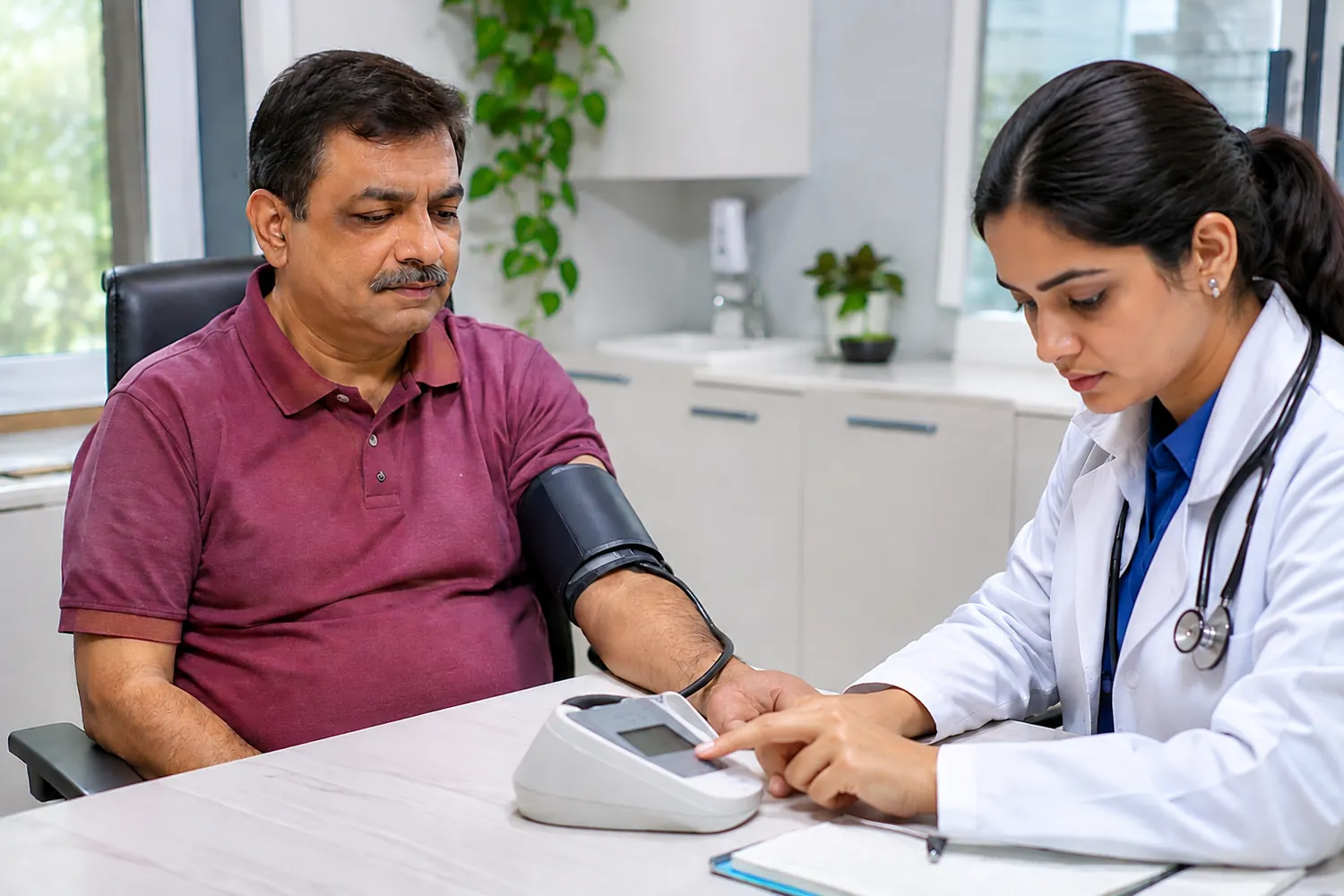
A healthcare professional measures blood pressure using an appropriately sized arm cuff. If the reading is high, the doctor may recommend repeat measurements on separate occasions. Home blood pressure monitoring or 24-hour ambulatory blood pressure monitoring may also help confirm the diagnosis and identify changes in blood pressure outside the clinic.
For a more reliable home reading, avoid smoking, caffeine and exercise for 30 minutes beforehand. Sit quietly for at least five minutes, keep your back supported and your feet flat, and rest your arm at heart level. Use a correctly sized upper-arm cuff and record the readings. Follow your doctor’s advice on how often to measure.
Possible Health Complications
When blood pressure stays high, it places extra strain on blood vessels and organs. Over time, this can increase the risk of:
- Heart attack and heart failure
- Stroke
- Kidney disease
- Damage to blood vessels in the eyes
Managing blood pressure helps reduce these risks and protects long-term health.
Treatment Options for High Blood Pressure
Treatment depends on blood pressure readings, age, medical history and overall risk of heart and kidney disease. Many people need a combination of lifestyle changes and prescribed medication.
Lifestyle changes may include:
- Reduce salt – Limit added salt and foods high in sodium, such as packaged snacks, pickles and processed foods.
- Eat a balanced diet – Include vegetables, fruit, pulses and whole grains more often.
- Stay active – Aim for at least 150 minutes of moderate physical activity each week, if your healthcare professional says it is suitable.
- Maintain a healthy weight – Losing excess weight can help lower blood pressure.
- Avoid tobacco and limit alcohol – Both can affect cardiovascular health.
If lifestyle changes are not enough, a doctor may prescribe medicines such as ACE inhibitors, angiotensin receptor blockers, calcium channel blockers or diuretics. The right medicine and dose vary from person to person.
Take medicines as prescribed and don’t stop or change them without medical advice.
When Should You Seek Medical Help?
Arrange a medical appointment if repeated readings are high, even if you feel fine.
If a reading is above 180 systolic and/or 120 diastolic, wait at least one minute and check again. If it remains that high, contact a healthcare professional immediately.
If the high reading is accompanied by chest pain, shortness of breath, weakness, numbness, vision changes or difficulty speaking, seek emergency medical care straight away.
High blood pressure can often be controlled with regular monitoring, suitable lifestyle changes and the right treatment. Checking your numbers and following up with a healthcare professional can help protect your long-term health.
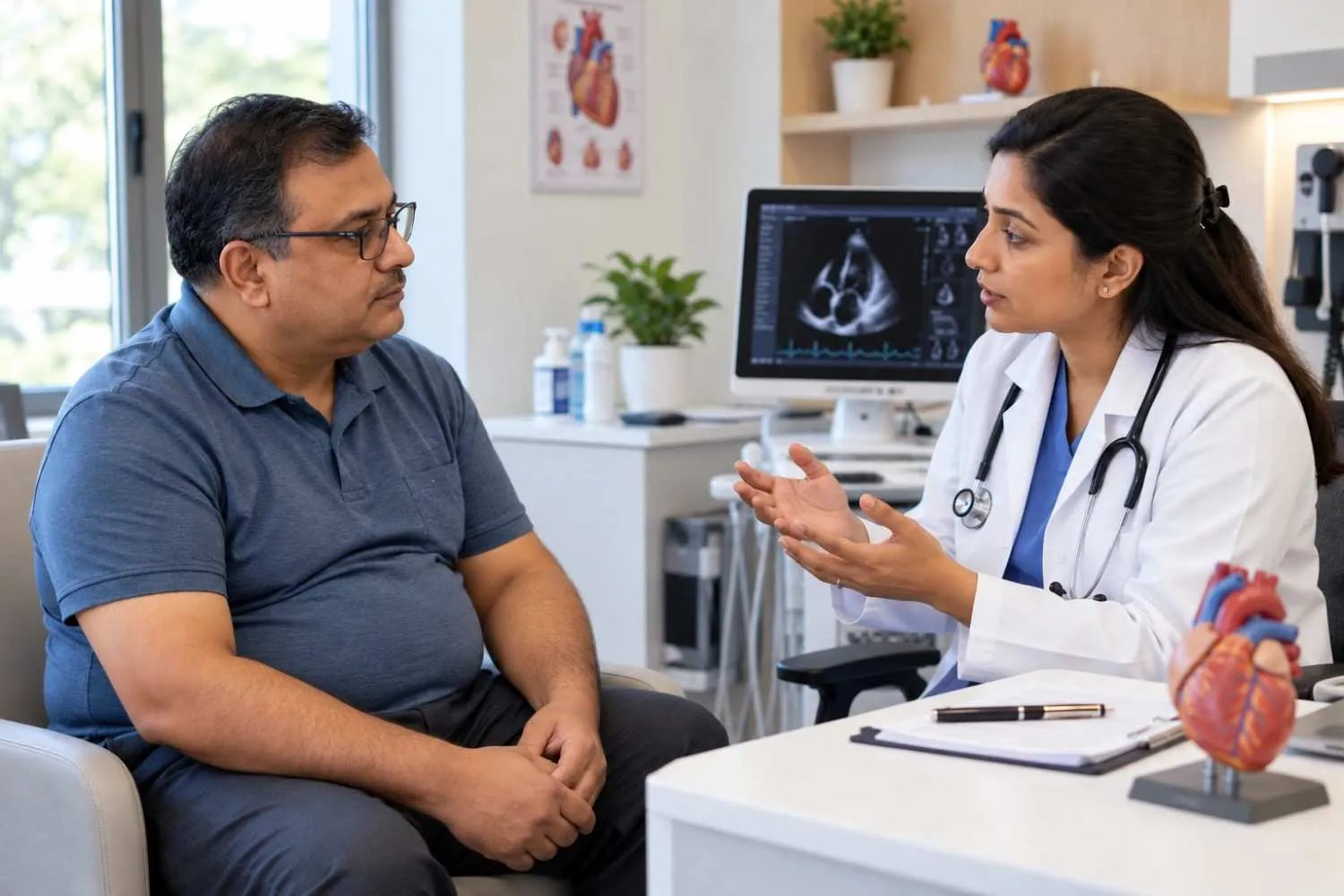
If your blood pressure readings are repeatedly high, consult a doctor for an assessment. Shree Sai Hospital’s Internal Medicine and Cardiology departments provide hypertension consultations in Kandivali East. Call +918928300290 to enquire.
Medical Disclaimer: This article is intended for general educational purposes only and does not replace professional medical advice, diagnosis or treatment. Consult a qualified healthcare professional for individual medical concerns. Do not start, stop or change prescribed medication based on this information.